A Closer Look at Fluoride
Welcome to the exciting world of oral care! Today, we’re diving deep into a topic that often sparks debate among dental professionals and patients alike: fluoride. Whether you’re a parent trying to determine the best dental practices for your children or an adult who just wants to maintain their pearly whites, understanding fluoride is essential. This article will explore the facts and fiction surrounding fluoride, demystifying its role in oral health.
Fluoride Facts and Fiction: Understanding Its Role in Oral Care
So what exactly is fluoride? It’s a naturally occurring mineral that dental crowns plays a crucial role in the prevention of tooth decay. Found in varying concentrations in soil, water, and even some foods, fluoride has been celebrated by dentists for its ability to strengthen enamel and make teeth more resistant to cavities. But with all the information (and misinformation) circulating about fluoride, it's no wonder many people have questions. Let’s break it down!
What Is Fluoride?
Fluoride is a compound derived from fluorine, which is an element found in nature. When added to toothpaste or drinking water, fluoride helps rebuild weakened tooth enamel and reverse early signs of tooth decay. The benefits don’t stop there! According to the American Dental Association (ADA), communities that add fluoride to their drinking water have seen significant reductions in cavities—up to 25% less than those without.
How Does Fluoride Work?
The magic of fluoride lies in its ability to aid remineralization—the process where minerals are redeposited into the enamel after being removed by acids produced by bacteria. Here’s how it works:

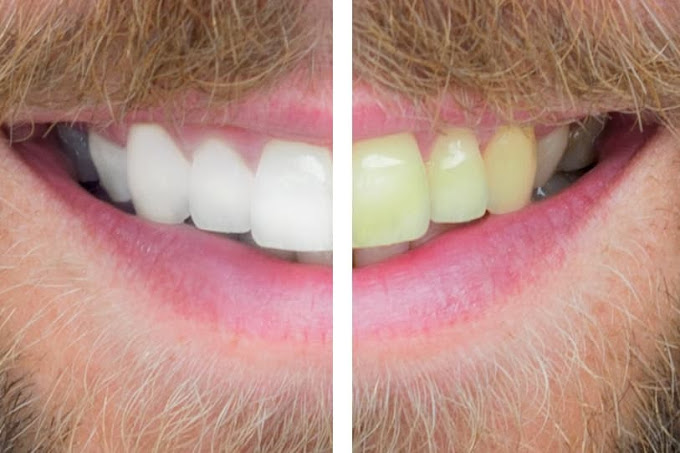

- Strengthening Enamel: Fluoride combines with calcium phosphate in saliva to form fluorapatite, a stronger version of hydroxyapatite (the main mineral component of teeth). Cavity Prevention: By making teeth more resistant to acid attacks from plaque bacteria and sugars, fluoride significantly lowers the risk of cavities. Reversal of Early Decay: If caught early enough, demineralized areas can be reversed with adequate exposure to fluoride.
The History of Fluoride Use in Dentistry
The use of fluoride dates back to the early 20th century when researchers began noticing lower rates of dental caries (tooth decay) in certain rural areas with naturally high levels of fluoride in their water supply. In 1945, Grand Rapids, Michigan became the first city to fluoridate its drinking water deliberately. This groundbreaking initiative led to widespread studies confirming that communities with fluoridated water experienced dramatically fewer cavities.
Fluoridation: A Public Health Success Story
The Centers for Disease Control and Prevention (CDC) recognizes community water fluoridation as one of the ten great public health achievements of the 20th century. Today, approximately 74% of U.S. residents served by community water systems receive optimally fluoridated water.
Fluoride Toothpaste: Your Daily Ally Against Cavities
Toothpaste containing fluoride has become a staple in oral hygiene routines worldwide. But what makes it so effective? Regular brushing with fluoride toothpaste helps deliver this protective mineral directly onto your teeth. Not only does it help prevent cavities, but it also promotes overall oral health by reducing plaque buildup and gingivitis.
Common Myths About Fluoride
Despite its proven benefits, there are many myths surrounding fluoride that can create confusion:
- Myth #1: "Fluoride is toxic." While excessive amounts can be harmful (just like anything), when used appropriately—as recommended by dentists—fluoride is safe. Myth #2: "Fluoridated water leads to health issues." Numerous studies have shown no credible links between community water fluoridation at recommended levels and health problems such as cancer or developmental disorders. Myth #3: "You can get enough fluoride from food alone." While some foods do contain small amounts of fluoride, relying solely on diet won’t provide sufficient protection against cavities.
How Much Fluoride Do You Need?
The amount of fluoride you need varies based on age:
- Children ages 0-6 months: No additional fluoride needed; breast milk or formula provides sufficient levels. Children ages 6 months - 4 years: Daily supplementation may be recommended based on local water supply levels. Ages 5+ years & adults: Using fluoridated toothpaste twice daily usually suffices for cavity prevention.
The Role Dentists Play in Your Fluoride Needs
Dentists play a vital role when it comes to assessing individual needs for fluoride treatments. During routine check-ups, your dentist will evaluate your risk for cavities based on factors such as age, diet, oral hygiene habits, and existing dental issues. From there, they can offer personalized recommendations regarding topical treatments or supplements if necessary.
Professional Fluoride Treatments: What Are They?
If you’re at higher risk for decay or have special dental health needs, your dentist might recommend professional-grade fluoride treatments during visits. These treatments typically come as gels or foams applied directly onto your teeth and can provide higher concentrations than over-the-counter products.
Are There Any Risks Associated with Fluoride?
While using fluoride correctly poses minimal risks for most individuals, excessive consumption—particularly among young children—can lead to dental fluorosis. This condition causes discoloration or mottling of teeth during development but generally isn’t serious or detrimental once permanent teeth emerge. To avoid this issue:
- Avoid swallowing toothpaste while brushing—especially for kids! Pediatric dentists often recommend training toothpaste with lower levels of fluoride until children learn proper brushing techniques.
Fluorosis: Understanding Its Causes and Effects
Dental fluorosis occurs when children consume too much fluoride while their permanent teeth are still forming (typically under age eight). Mild cases may appear as white spots on teeth; severe cases could result in brown staining or pitting. Fortunately, treatment options exist should these issues arise—from whitening treatments to cosmetic dentistry solutions like veneers!
Frequently Asked Questions (FAQs)
1. Is fluoride safe for my child?
The ADA endorses the use of topical fluorides for children aged six months and older as safe when used appropriately under professional guidance!
2. Can I use too much fluoride?
Yes! Overuse can lead to dental fluorosis during childhood development stages but remains minimal risk when following guidelines provided by your dentist!
3. What if I live in an area without fluoridated water?
If you reside somewhere without added fluoroide access consider daily supplements prescribed by a healthcare provider along with twice-daily brushing using quality toothpaste containing flouride!
4. Are there alternatives if I prefer not using flouride?
If avoiding flouride altogether consult your dentist about non-flouride options such as xylitol-based products which also help combat plaque accumulation!
5. How often should I visit my dentist?
You should see your dentist at least twice per year unless otherwise advised based on particular needs analysis performed during appointments!
6.Do adults benefit from flouride too??
Certainly! Adults gain significant advantages from maintaining optimal oral hygiene including utilizing fluroide products regularly throughout life irrespective age-related decay susceptibility changes!
Conclusion: Embracing Flouride For Optimal Oral Health!
In conclusion , navigating through all these facts and fictions surrounding flouride doesn’t need overwhelming . With proper understanding , incorporation into daily routines alongside regular visits with our trusted professionals(dentists!) ensures we maximize benefits while minimizing potential risks . Remember : Flouride truly stands out as invaluable ally safeguarding beautiful smiles throughout life ! So let’s embrace it together—one brushstroke at time!